 CustomTattoo
Best Tattoo Placement Guide: Pain, Size & Visibility
Guides · June 25, 2026
The best tattoo placement depends on five things: how visible you want it, how much pain you can handle, how large the design needs to be, how the area ages, and how easy it is to heal. Outer forearm, upper arm, shoulder, calf and thigh are usually the most forgiving placements. Ribs, hands, fingers, neck, feet and joints need more planning. Use this tattoo placement guide before you generate, quote or book your design.
TL;DR
- •Outer forearm, upper arm, shoulder, calf and thigh are strong all-around placements.
- •Hands, fingers, ribs, feet, neck, elbow and knee are higher-risk because of pain, fading or healing difficulty.
- •Small lettering needs more space than people expect because ink softens as it ages.
- •Visible placements should be chosen with work, sun exposure and long-term comfort in mind.
- •Use size, pain and visibility together. A placement can look good but still be wrong for the design.
What is the best placement for a first tattoo?
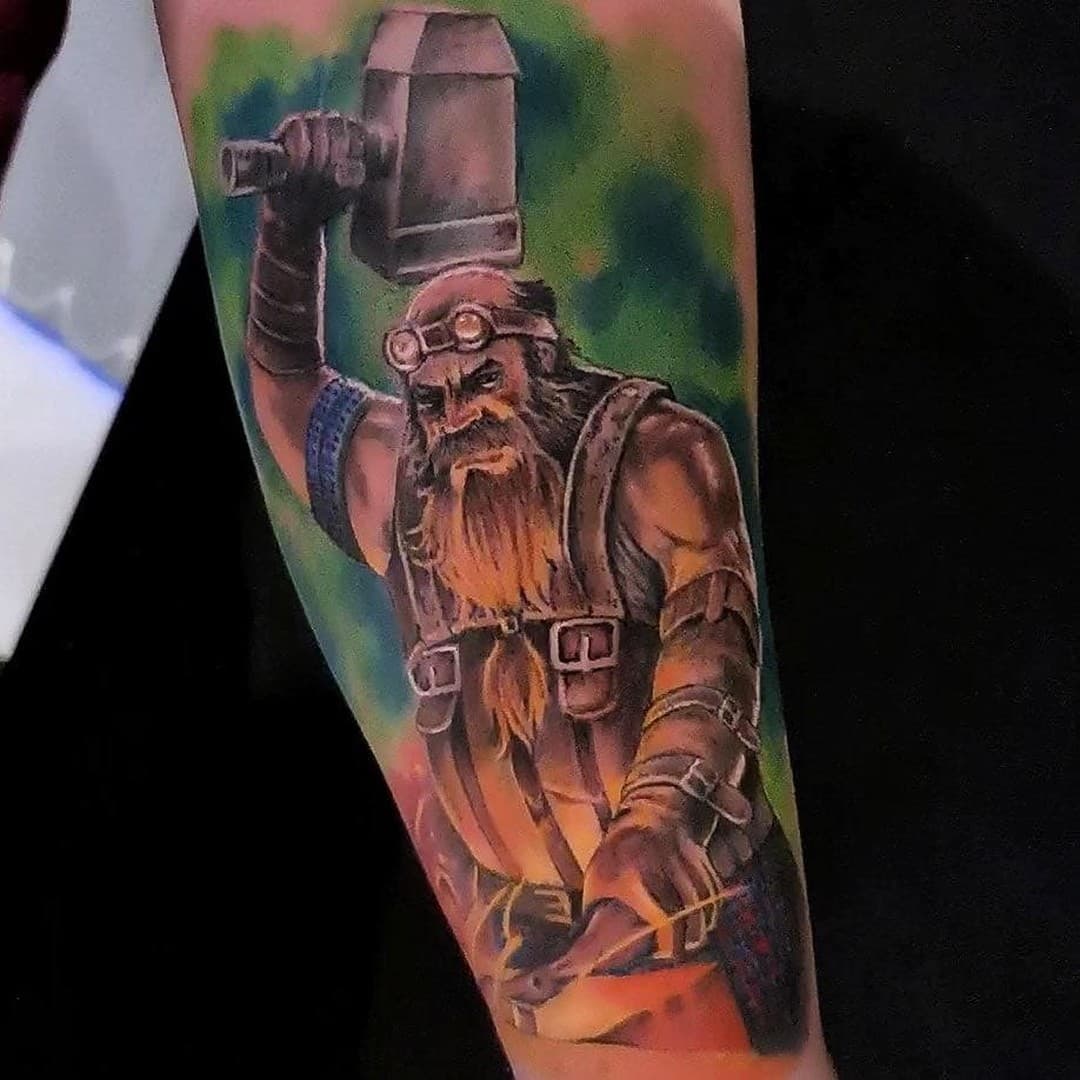
The best placement for a first tattoo is usually outer forearm, upper arm, shoulder, calf or outer thigh. These areas are easier to sit for, easier for the artist to stretch, and easier to heal than ribs, fingers or feet. They also give enough room for a design that will age cleanly. If you are still choosing size, use the tattoo size calculator before booking.
Which tattoo placements are easiest to hide?
Upper arm, shoulder, ribs, chest, back, hip, thigh and upper leg are easier to hide under normal clothing. Wrist, hand, neck, behind the ear and lower forearm are more visible. Visibility is not only about work rules. It also affects sun exposure, how often people ask about the tattoo, and how comfortable you feel with the design after the novelty fades.
Which tattoo placements age best?
Placements that see less sun, less friction and less constant movement usually age better. Upper arm, shoulder, thigh, back and calf often hold ink well when aftercare is good. Hands, fingers, feet, inner wrist and areas that rub against shoes or tight clothing can fade faster. Style matters too: bold outlines and strong contrast usually age better than tiny low-contrast detail.
| Placement | Visibility | Pain | Best for | Watch out for |
|---|---|---|---|---|
| Outer forearm | High | Low to medium | Script, symbols, medium pieces | Sun exposure |
| Upper arm | Easy to hide | Low to medium | First tattoos, sleeves | Future sleeve planning |
| Wrist | High | Medium | Small symbols, short words | Fading, tight detail |
| Ribs | Easy to hide | High | Elegant vertical designs | Pain, breathing movement |
| Chest | Medium | Medium to high | Large symmetrical work | Sternum sensitivity |
| Thigh | Easy to hide | Low to medium | Large pieces, florals, realism | Clothing friction |
| Hand or finger | Very high | High | Tiny marks only | Fast fading, job visibility |
| Calf | Medium | Low to medium | Animals, script, medium designs | Sock and clothing friction |
How does placement affect tattoo size?
Design your tattoo, try it on your skin
Describe your idea, generate it in any style, and preview it on your own skin before the needle.
✨ Log in to design yoursFree to try · Preview on your own skin
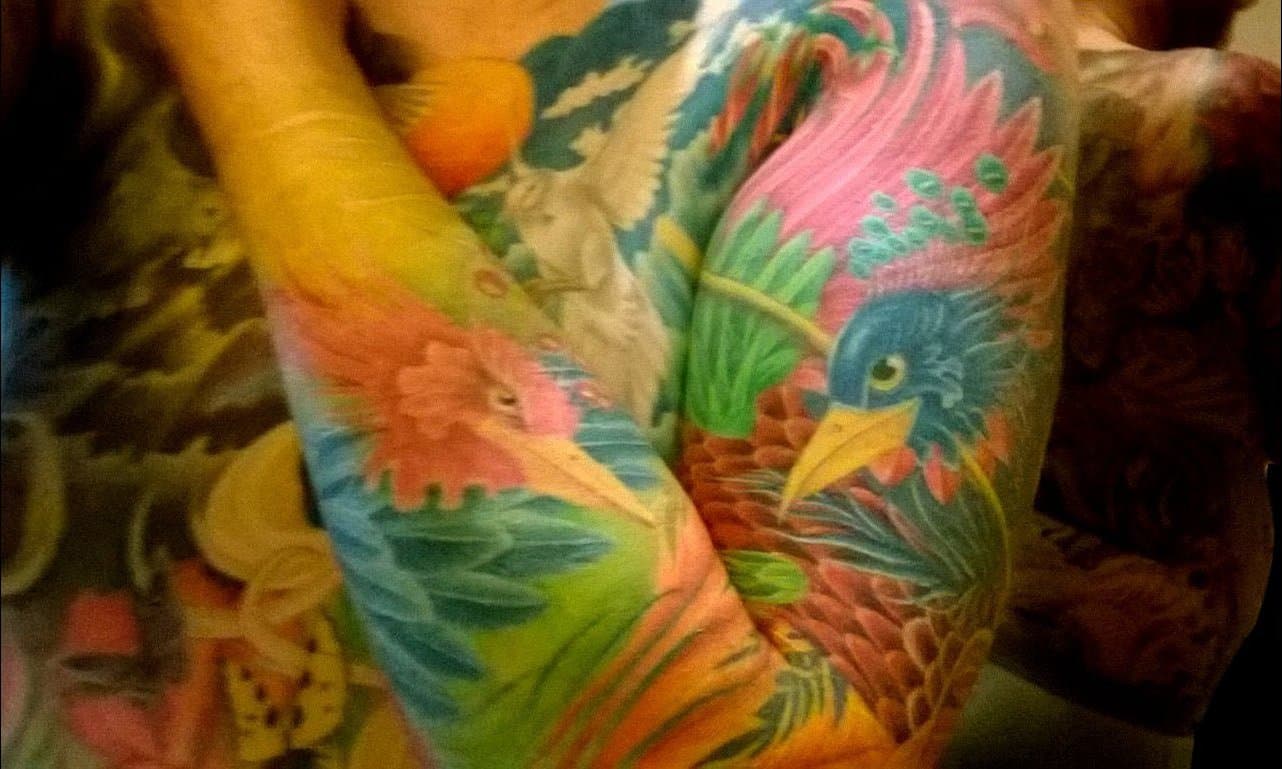
Placement decides the natural size range of a tattoo. A name on the wrist may need to be shorter or simpler than the same name on the forearm. A realistic animal needs more room than a small outline. Curved areas like shoulder, ribs and calf can look great when the design follows the body, but cramped detail can distort. When in doubt, scale the design up rather than forcing detail into a tiny area.
Where should you put lettering or name tattoos?
Lettering works best where the words can sit straight enough to read: forearm, upper arm, collarbone, ribs, chest, upper back or thigh. Tiny script on fingers and wrists can blur faster because letters need breathing room. If the tattoo is a name, date or quote, test it first with the name tattoo generator or roman numeral tattoo generator.
Where should you put small minimalist tattoos?
Small minimalist tattoos work well on outer forearm, upper arm, ankle, shoulder, collarbone and calf. The mistake is going too small for the design. Minimal does not mean microscopic. Leave enough negative space so the tattoo still reads after healing. Fine line, stars, tiny flowers and small symbols need simple shapes and a placement with limited friction.
What placements should beginners avoid?
Beginners should be careful with ribs, sternum, hands, fingers, feet, neck, elbow, knee and armpit. These placements can be painful, hard to heal, highly visible or prone to fading. That does not mean never choose them. It means choose them with a clear reason, an artist who has healed examples in that placement, and a design that suits the area.
What is the safest tattoo placement?+
Outer forearm, upper arm, shoulder, calf and thigh are usually safer choices because they balance pain, healing, visibility and space well.
Where should I not get my first tattoo?+
Avoid hands, fingers, ribs, feet, neck, elbow and knee for a first tattoo unless you understand the pain, fading and visibility tradeoffs.
What placement is best for a small tattoo?+
Outer forearm, upper arm, ankle, collarbone, shoulder and calf are good small tattoo placements when the design is simple enough to age clearly.
Do hand tattoos fade faster?+
Often, yes. Hands and fingers see frequent washing, sun, movement and friction, so they commonly need more touch-ups than protected placements.
Can AI help choose tattoo placement?+
AI can help preview directions and compare placements, but a tattoo artist should still adjust the final design for skin, movement and aging.
Sources
- Allure: Tattoos and Pain by Body Part · checked June 2026
- Allure: Everything You Need to Know Before Getting Your First Tattoo · checked June 2026
- Mayo Clinic: Tattoos: Understand Risks and Precautions · checked June 2026
Keep reading
Tattoo Healing Stages: What to Expect Week by Week
Tattoo healing stages explained: redness, peeling, itching, dullness, long-term settling and warning signs that need medical care.
Tattoo Pain Chart: Least and Most Painful Spots
Tattoo pain chart by placement: learn which spots hurt most, which are easier, why pain varies and how to plan your first session.
Tattoo Aftercare: How to Heal New Ink Safely
Tattoo aftercare guide: what to do the first day, how to wash, moisturize, avoid infection, protect color and know when to call a doctor.