 CustomTattoo
Tattoo Healing Stages: What to Expect Week by Week
Aftercare · June 24, 2026
Tattoo healing stages usually move from fresh redness and swelling, to peeling and itching, to dull settled skin, then longer-term skin remodeling. The surface may look healed within a few weeks, but the deeper skin can keep settling after that. This guide explains what is normal, what is not, and how to protect the final result. Before you commit to placement, log in to CustomTattoo AI and preview the design on skin.
TL;DR
- •Days 1 to 3 often bring redness, tenderness, swelling, warmth and light oozing.
- •Days 4 to 14 often bring peeling, flaking, scabbing and itching. Do not pick.
- •Weeks 2 to 4 often look dull or cloudy while the surface settles.
- •After one month, the tattoo may look healed, but deeper skin can continue remodeling.
- •Fever, pus, spreading redness, rash, blisters or worsening pain are warning signs.
What happens in the first 72 hours?
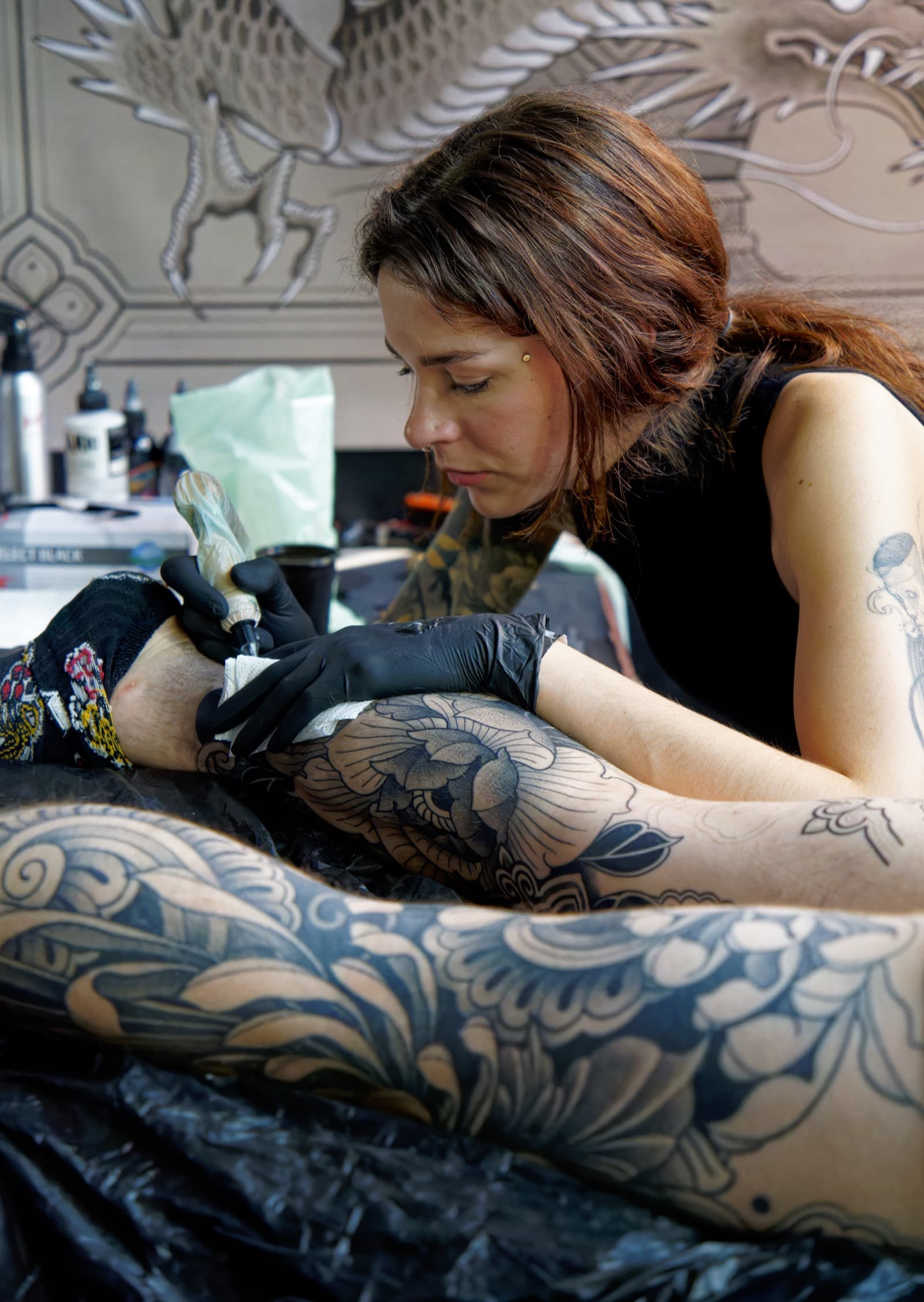
In the first 72 hours, your tattoo is a fresh wound. Redness, swelling, tenderness, warmth and some oozing can be normal. The FDA says tattooed skin may have local discomfort after the procedure, and your artist should tell you how to care for the area. This is the phase where clean hands, gentle washing and correct wrap handling matter most. Avoid touching the tattoo unless you are cleaning it.
When does a tattoo start peeling?
A tattoo often starts peeling or flaking after the first few days, though timing varies by size, placement and skin. Health describes healing as a process where the tattooed area can move through swelling, redness, itch and peeling. Peeling is not a reason to panic. It is the surface skin renewing. The key rule is simple: do not pick. Picking flakes can pull pigment, create patchy spots or irritate the wound.
Why does a healing tattoo itch?
A healing tattoo itches because the skin barrier is repairing itself. Itching is common during peeling and dryness, but scratching can damage the tattoo and introduce bacteria. Use the aftercare product your artist recommends in a thin layer, keep the area clean, and tap around the tattoo if you need a distraction. If itching comes with rash, blisters, spreading redness or swelling, treat it as a possible reaction and get advice.
| Stage | Common signs | What to do |
|---|---|---|
| Days 1 to 3 | Redness, swelling, tenderness | Clean gently and follow wrap instructions |
| Days 4 to 14 | Peeling, flaking, itching | Moisturize lightly and do not pick |
| Weeks 2 to 4 | Dull or cloudy appearance | Keep protecting from friction and sun |
| After 1 month | More settled look | Use sunscreen once fully healed |
| Any time | Pus, fever, spreading redness | Contact a health professional |
Why does a tattoo look dull while healing?
Design your tattoo, try it on your skin
Describe your idea, generate it in any style, and preview it on your own skin before the needle.
✨ Log in to design yoursFree to try · Preview on your own skin
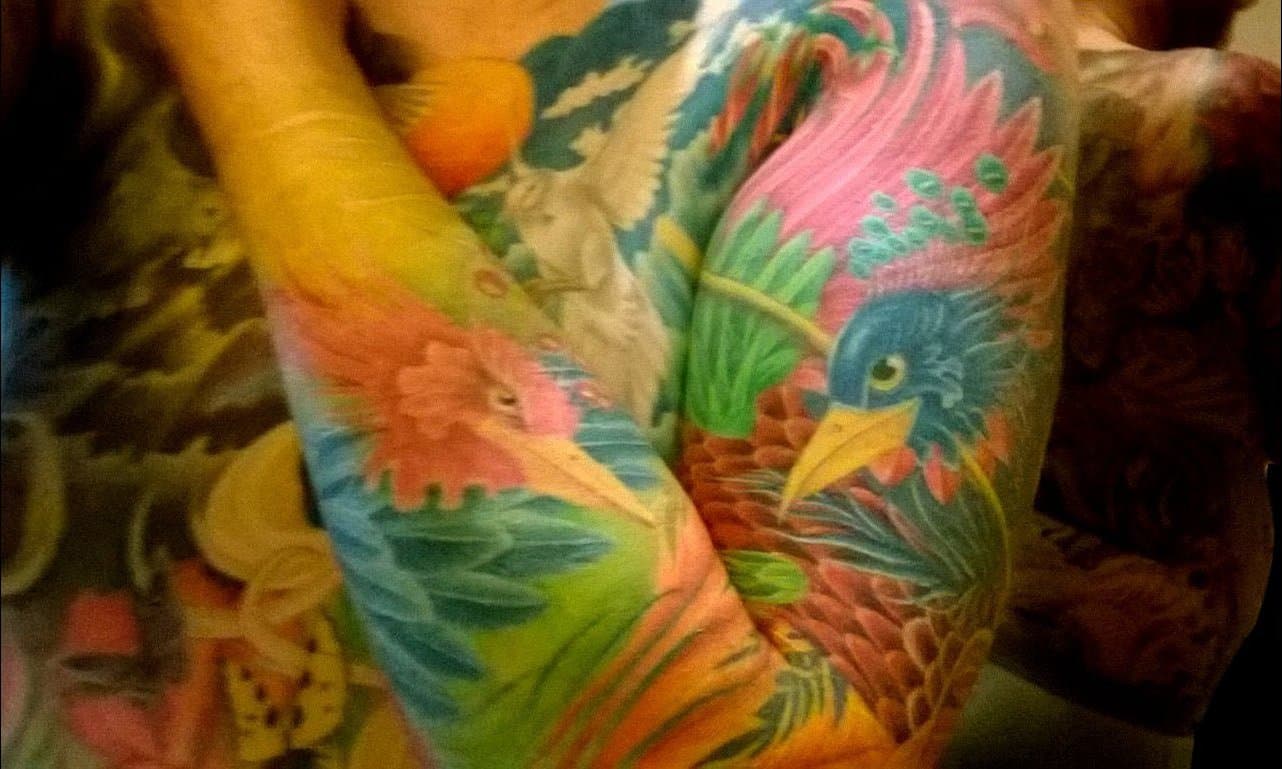
A tattoo can look dull, cloudy or slightly muted while healing because fresh skin is forming over the ink. That does not automatically mean the tattoo is ruined. Fine detail can also look softer while swelling goes down and flakes clear. Give the tattoo time before judging final contrast. If an area heals patchy after the skin fully settles, ask your artist whether a touch-up makes sense.
How long until a tattoo is fully healed?
A tattoo may look mostly healed on the surface within a few weeks, but deeper skin can keep settling beyond that. Healing time changes with size, placement, skin type, immune response, aftercare and whether the tattoo is packed with color or shading. Large pieces, high-friction placements and dense color work can feel slower. Do not rush swimming, sun exposure or tight clothing just because the surface looks better.
What can slow tattoo healing?
Tattoo healing can slow down because of picking, scratching, soaking, sun exposure, heavy sweat, tight clothing, over-moisturizing, dirty towels or poor sleep. Health conditions, skin conditions and certain medications can also affect healing, so ask a clinician before getting tattooed if you are unsure. The Mayo Clinic recommends knowing tattoo risks and precautions before you commit.
What warning signs are not normal?
Warning signs include fever, chills, pus, worsening pain, spreading redness, increasing warmth, blisters, a rash that does not settle, red streaking or swelling that gets worse. The FDA says infections can require antibiotics and sometimes more serious care. If you are unsure, contact a health professional. For daily care steps, use our tattoo aftercare guide.
Is tattoo peeling normal?+
Yes. Peeling and flaking are common after the first few days. Do not pick the flakes because that can damage the tattoo.
Why does my tattoo look faded after a week?+
A healing tattoo can look dull or cloudy while new surface skin forms. Wait until it fully settles before judging the final color.
Can I sleep on a new tattoo?+
Avoid direct pressure and dirty bedding when possible. Use clean sheets and protect the tattoo from friction while it is fresh.
When can I swim after a tattoo?+
Wait until the tattoo is fully closed and your artist clears you. Pools, hot tubs, lakes and oceans can irritate or contaminate fresh skin.
When should I call a doctor about tattoo healing?+
Call for fever, pus, spreading redness, worsening pain, unusual rash, blisters or symptoms that get worse instead of better.
Sources
- Health: Tattoo Healing Process · checked June 2026
- Allure: The Truth About How Fine-Line Tattoos Heal · checked June 2026
- FDA: Think Before You Ink: Tattoo Safety · checked June 2026
- Mayo Clinic: Tattoos: Understand Risks and Precautions · checked June 2026
Keep reading
Tattoo Pain Chart: Least and Most Painful Spots
Tattoo pain chart by placement: learn which spots hurt most, which are easier, why pain varies and how to plan your first session.
Tattoo Aftercare: How to Heal New Ink Safely
Tattoo aftercare guide: what to do the first day, how to wash, moisturize, avoid infection, protect color and know when to call a doctor.
First Tattoo Tips: What to Know Before You Book
First tattoo tips for choosing a design, artist, placement and aftercare plan. Learn what to prepare before your first appointment.