 CustomTattoo
First Tattoo Tips: What to Know Before You Book
Guides · June 24, 2026
First tattoo tips are simple: choose a design you still want when trends move on, book an artist who specializes in that style, start with a placement you can heal easily, and prepare for aftercare before the appointment. Your first tattoo does not need to be tiny, but it should be planned. Before you commit, log in to CustomTattoo AI and compare a few versions of the idea on skin.
TL;DR
- •Pick the artist for their healed portfolio, not just fresh Instagram photos.
- •Bring a clear idea, but let the artist adjust size, placement and line weight so it ages well.
- •Eat, hydrate and sleep before the appointment. Avoid alcohol the day before.
- •Start with a placement that is easy to protect from sun, sweat and friction while healing.
- •Aftercare is part of the tattoo. Keep it clean, lightly moisturized and out of sun or soaking water.
What should your first tattoo be?
Your first tattoo should be something you can explain in one sentence and still like without the trend attached. That can be a symbol, quote, animal, flower, memorial piece or abstract design. The best first tattoo ideas are specific enough to feel personal but simple enough for a clean first appointment. If you are unsure, create three versions: minimal, medium detail and bold. Seeing them side by side makes the decision easier.
How do you choose the right tattoo artist?
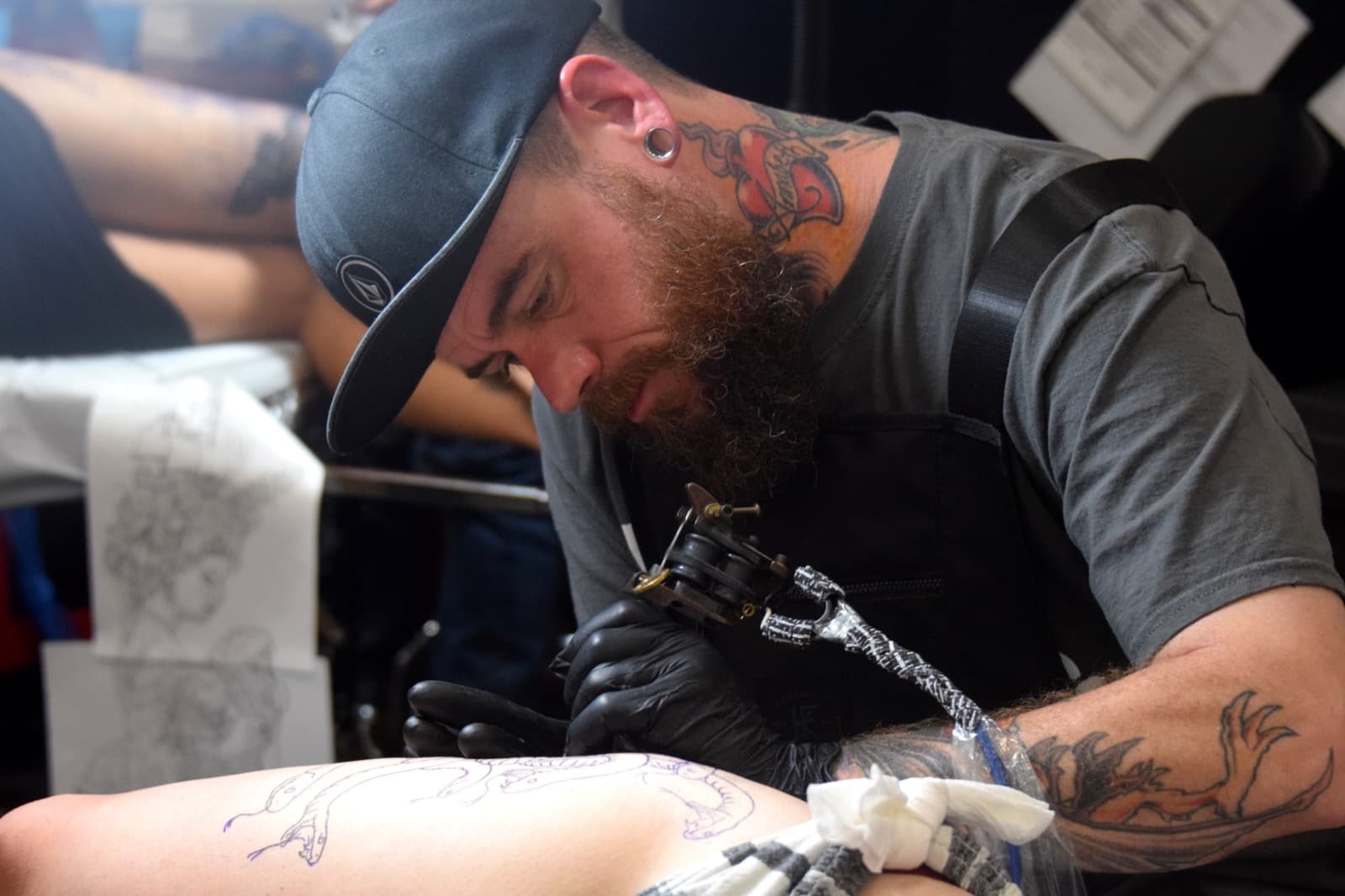
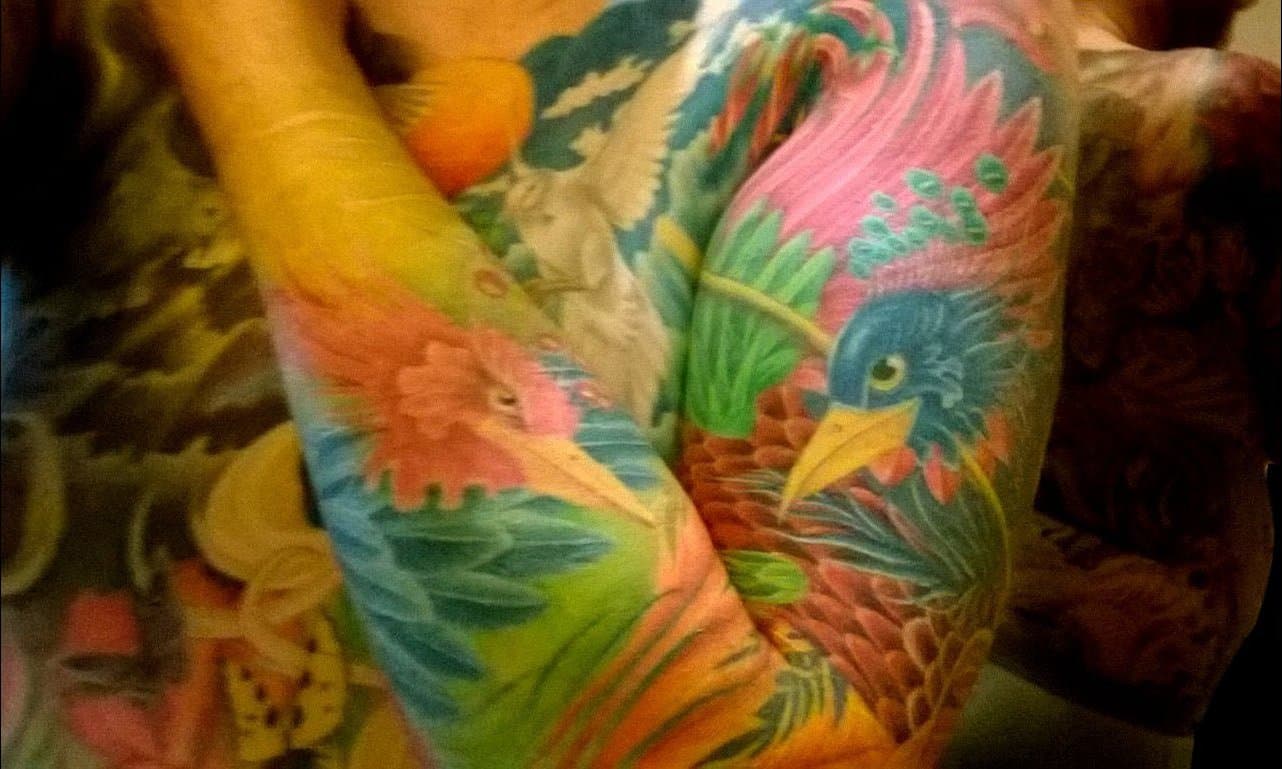
Choose the artist by style match and healed work. Fresh tattoos always look sharp because the ink is new and the skin is glossy. Healed photos show whether the artist's lines, shading and contrast hold up. Allure's first tattoo guide also recommends sending the artist useful booking details: design idea, size, placement, skin tone and availability. If you want realism, book a realism artist. If you want fine line, book someone with healed fine line work.
Where should you put a first tattoo?
A good first placement is easy to sit through, easy to heal and easy to cover if needed. Outer forearm, upper arm, shoulder, calf and thigh are common first-tattoo areas because the skin is relatively stable and the aftercare is manageable. Hands, fingers, ribs, feet, stomach and neck can be harder first placements because they are painful, exposed, high-friction or prone to fading. Placement also changes how the design should be drawn.
| First tattoo choice | Why it works | Watch out for |
|---|---|---|
| Outer forearm | Visible, flat, easy to photograph | More sun exposure |
| Upper arm | Easy to cover and heal | Sleeve planning later |
| Shoulder | Good for symbols and florals | Curved surface |
| Calf | Good space for medium designs | Friction from tight clothing |
| Ribs | Discreet and elegant | Higher pain, harder first session |
How big should your first tattoo be?
Your first tattoo should be big enough for the detail you want. Going too small is one of the most common mistakes, especially with script, faces, tiny symbols and fine line designs. Ink spreads slightly as it heals and ages, so cramped details can blur together. If the artist says the design needs another inch, listen. A clean 4-inch tattoo usually ages better than a crowded 2-inch version of the same idea.
Design your tattoo, try it on your skin
Describe your idea, generate it in any style, and preview it on your own skin before the needle.
✨ Log in to design yoursFree to try · Preview on your own skin
How should you prepare before the appointment?
Prepare like you are going into a long body appointment. Sleep well, eat a real meal, hydrate and wear clothing that gives the artist access to the placement. Bring water, a snack, ID, headphones and payment in the studio's preferred format. Avoid alcohol the day before because it can make the session harder on your body. If you use numbing cream, ask the artist first because some artists do not want it used without approval.
What happens during the tattoo appointment?
The appointment usually starts with paperwork, final design review, stencil placement and skin prep. Check the stencil in a mirror from multiple angles. Ask for changes before the needle starts. During the tattoo, stay still and tell the artist if you need a break. Pain varies by placement and person, but most first-timers handle it better when they breathe steadily and do not arrive hungry or exhausted.
How do you care for a first tattoo?
Follow your artist's instructions first because wrap types and products differ. The broad rules are consistent: keep the tattoo clean, use a gentle fragrance-free cleanser, moisturize lightly, do not pick flakes or scabs, avoid swimming and soaking, and keep it out of direct sun while it heals. The FDA says to contact a health professional if the area is not healing, develops a rash, or if you have fever or worsening symptoms.
Should you design your first tattoo with AI?
AI is useful for exploration, not as a replacement for the tattoo artist. Use it to compare styles, placements and compositions before booking. Then bring the best direction to a professional who can redraw it for skin, stencil flow and aging. Start with our tattoo ideas gallery, compare styles in the style guide, then generate a version you can discuss with your artist.
What is the best age to get a first tattoo?+
The right age depends on your local law and your own certainty. Wait until you can legally consent, choose the artist yourself and afford quality work without rushing.
Should my first tattoo be small?+
It can be small, but it should not be too small for the detail. Simple symbols and short words work small. Portraits, faces and detailed animals need more space.
What should I avoid before a first tattoo?+
Avoid alcohol, arriving hungry, sunburn, irritated skin and last-minute design changes. Ask your artist before using numbing cream or taking anything for pain.
How long does a first tattoo take to heal?+
The visible surface often improves within a few weeks, but deeper healing can take longer. Follow your artist's aftercare instructions until the skin is fully settled.
Can I work out after a tattoo?+
Avoid heavy sweat, friction and tight clothing at first. Ask your artist for timing based on placement and wrap type, especially for gyms, pools and contact sports.
Sources
- Allure: Everything You Need to Know Before Getting Your First Tattoo · checked June 2026
- FDA: Think Before You Ink: Tattoo Safety · checked June 2026
- FDA: Tattoos & Permanent Makeup: Fact Sheet · checked June 2026
- SELF: Tattoo Aftercare Tips · checked June 2026
Keep reading
Tattoo Healing Stages: What to Expect Week by Week
Tattoo healing stages explained: redness, peeling, itching, dullness, long-term settling and warning signs that need medical care.
Tattoo Pain Chart: Least and Most Painful Spots
Tattoo pain chart by placement: learn which spots hurt most, which are easier, why pain varies and how to plan your first session.
Tattoo Aftercare: How to Heal New Ink Safely
Tattoo aftercare guide: what to do the first day, how to wash, moisturize, avoid infection, protect color and know when to call a doctor.