 CustomTattoo
Tattoo Pain Chart: Least and Most Painful Spots
Guides · June 24, 2026
A tattoo pain chart is a placement guide, not a promise. In general, fleshy areas like the outer upper arm, thigh and shoulder hurt less, while ribs, sternum, spine, elbow, knee, hands, feet and armpit tend to hurt more because skin is thinner or closer to bone and nerves. Use this guide to choose a smarter first placement, then log in to CustomTattoo AI to preview your design where you actually want it.
TL;DR
- •Least painful spots are usually outer upper arm, outer thigh, shoulder and calf.
- •Most painful spots are usually ribs, sternum, spine, elbow, knee, hands, feet and armpit.
- •Pain changes with size, detail, session length, sleep, food, stress and personal tolerance.
- •For a first tattoo, choose a manageable placement and keep the first session shorter.
- •Pain that worsens for days, with heat, redness, fever or pus, should be checked by a clinician.
What does tattoo pain feel like?
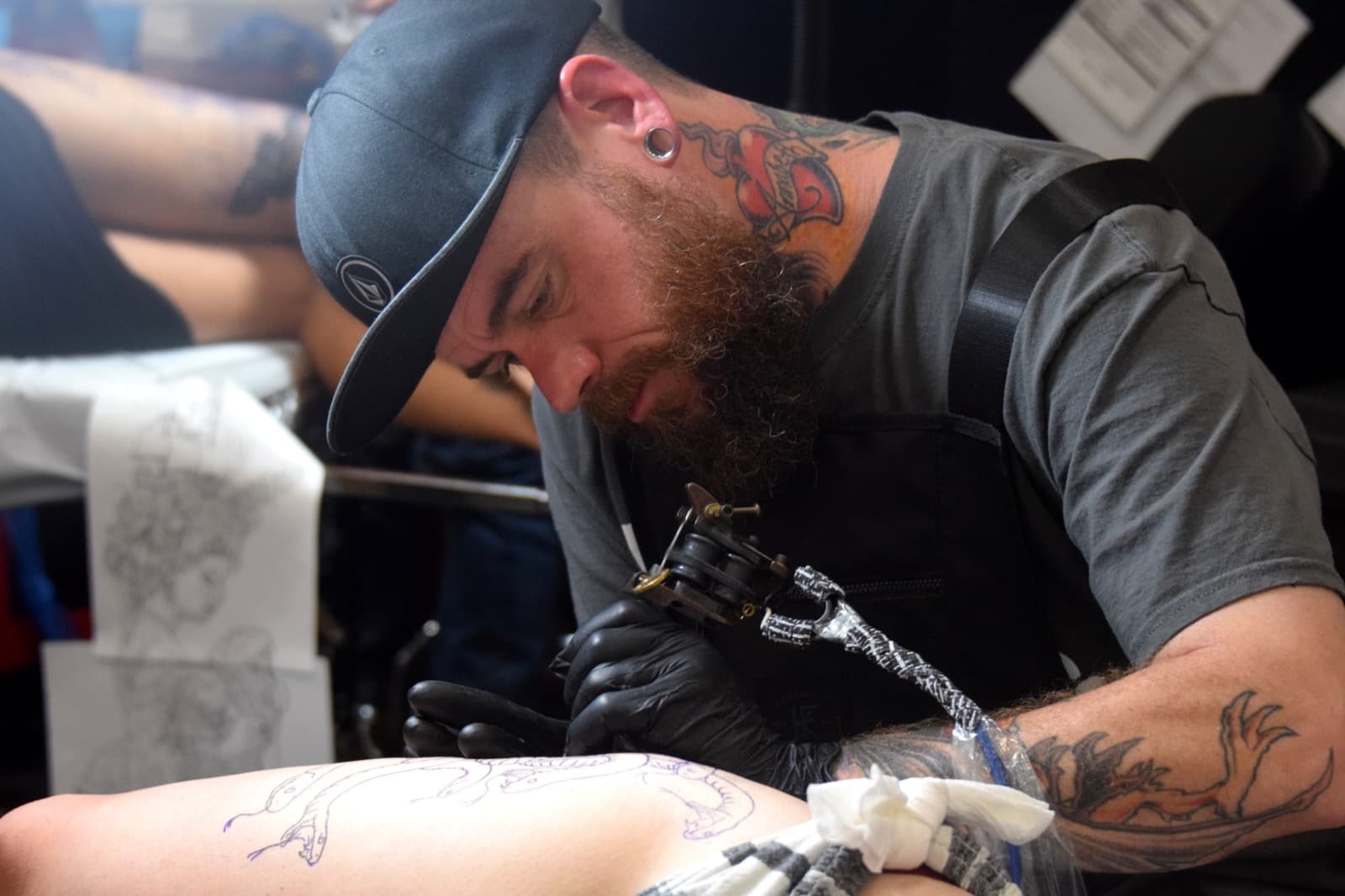
Tattoo pain is usually a repeated scratching, burning or vibrating feeling rather than one single sharp pain. Linework can feel sharper, shading can feel more abrasive, and color packing can feel tiring because the artist works the same area repeatedly. Allure notes that pain is subjective, so the same placement can feel easy to one person and intense to another. The chart helps with planning, but your body decides the final experience.
What are the least painful tattoo spots?
The least painful tattoo spots are usually areas with more muscle or fat and fewer sharp bony edges. Outer upper arm, shoulder, outer forearm, outer thigh and calf are common easier placements. These areas are also easier for artists to stretch and work on cleanly. That is why they are popular for first tattoos and medium-size designs. They still hurt, but the pain is usually more manageable than ribs, hands or joints.
What are the most painful tattoo spots?
The most painful tattoo spots are often thin-skinned, bony, high-nerve or hard-to-stretch areas. Ribs, sternum, spine, elbow, inner bicep, knee ditch, hands, fingers, feet, ankle, throat and armpit are commonly reported as intense. These placements can also be harder to heal because they move, rub or get exposed more. If you want one of these spots, consider a smaller design or split a larger project into sessions.
| Pain level | Placements | Why |
|---|---|---|
| Lower | Outer upper arm, shoulder, outer thigh | More padding and easier skin stretch |
| Medium | Forearm, calf, upper back | Manageable but varies with detail |
| High | Ribs, sternum, spine | Thin skin and bony surfaces |
| High | Elbow, knee, ditch areas | Joint movement and sensitive skin |
| Very high | Hands, fingers, feet, armpit | Nerves, friction and difficult healing |
Does tattoo size change pain?
Design your tattoo, try it on your skin
Describe your idea, generate it in any style, and preview it on your own skin before the needle.
✨ Log in to design yoursFree to try · Preview on your own skin
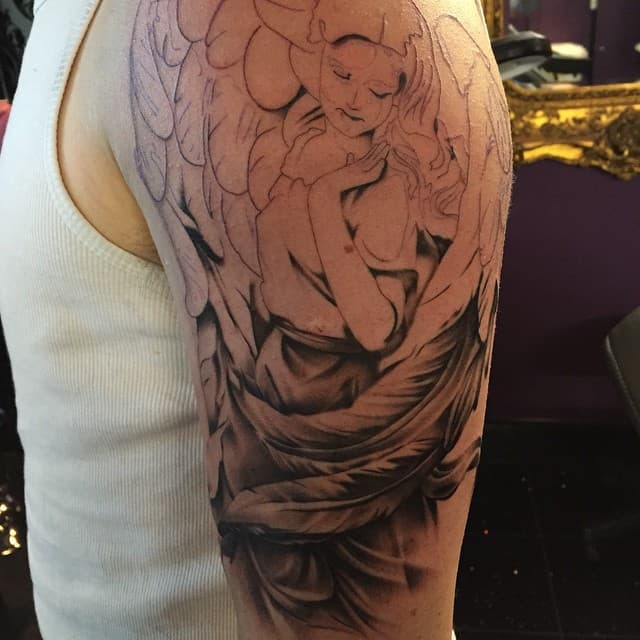
Yes. Size changes pain because longer sessions are harder to sit through. A small rib tattoo may be intense but short; a large outer arm piece may be easier at first but exhausting after hours. Detail also matters. Dense shading, color packing, tiny texture and repeated passes can make an otherwise manageable placement feel tougher. For a first tattoo, Allure cites artists recommending a smaller piece under an hour to learn your tolerance.
How can you make tattoo pain easier?
Make tattoo pain easier by arriving rested, hydrated and fed. Wear comfortable clothing, bring water and a snack, and avoid alcohol before the appointment. Ask your artist before using numbing cream because some artists have strong preferences about it. During the session, breathe steadily, stay still, and ask for a short break before you start shaking. If the design is large, splitting it into sessions is often better than forcing one long appointment.
Which placement is best for a first tattoo?
Outer forearm, upper arm, shoulder, calf and outer thigh are strong first-tattoo placements because they balance visibility, pain and aftercare. If you want a discreet first tattoo, upper arm or thigh is easier to cover than wrist, hand or neck. If you are comparing ideas, start with our first tattoo guide and test the design on skin before booking.
When is tattoo pain not normal?
Some soreness after the appointment is normal. Pain that gets worse over several days, especially with spreading redness, warmth, pus, rash, fever or chills, is not something to ignore. The FDA warns that infections and allergic reactions can happen after tattoos. If symptoms are worsening instead of improving, contact a health professional and let your artist know.
What tattoo spot hurts the least?+
Outer upper arm, shoulder, outer thigh and calf are often easier because they have more padding and are easier for the artist to work on.
What tattoo spot hurts the most?+
Ribs, sternum, spine, elbow, knee, hands, feet and armpit are commonly among the most painful because of thin skin, bone, nerves or friction.
Do fine line tattoos hurt less?+
Sometimes, but not always. Fine line work may use less saturation, but tiny precision can still be uncomfortable, especially on sensitive placements.
Can I use numbing cream for a tattoo?+
Ask your artist first. Some artists allow it, while others avoid it because it can affect skin texture or the tattooing process.
How long does tattoo pain last?+
Immediate soreness often lasts hours to a few days. Pain should trend down. Worsening pain with heat, redness, fever or pus needs medical advice.
Sources
- Allure: Tattoos and Pain by Body Part · checked June 2026
- Mayo Clinic: Tattoos: Understand Risks and Precautions · checked June 2026
- FDA: Think Before You Ink: Tattoo Safety · checked June 2026
Keep reading
Tattoo Healing Stages: What to Expect Week by Week
Tattoo healing stages explained: redness, peeling, itching, dullness, long-term settling and warning signs that need medical care.
Tattoo Aftercare: How to Heal New Ink Safely
Tattoo aftercare guide: what to do the first day, how to wash, moisturize, avoid infection, protect color and know when to call a doctor.
First Tattoo Tips: What to Know Before You Book
First tattoo tips for choosing a design, artist, placement and aftercare plan. Learn what to prepare before your first appointment.